Youngporn Black Teens Work -
In recent years, there has been a concerted effort to increase diversity and inclusion in entertainment and media content. The success of films like "Friday" (1995), "Boyz n the Hood" (1991), and "The Best Man" (1999) demonstrated the marketability and appeal of stories centered around Black experiences. These films paved the way for a new generation of Black creators and actors, including teen stars like Shadwick Bosley ("The Famous Siamese Twins") and Omar Epps ("House Party").
The increased presence and involvement of Black teens in entertainment and media content represent a positive shift towards greater diversity and inclusion. However, more work is needed to ensure that these opportunities are equitable, sustainable, and impactful. By addressing the challenges and limitations outlined above, we can foster a more inclusive and representative media landscape that benefits Black teens, the wider community, and society as a whole. youngporn black teens work
The representation and participation of Black teenagers in entertainment and media content have undergone significant transformations over the years. Historically, Black teens have been marginalized and excluded from mainstream media, but recent years have seen a shift towards more inclusive and diverse storytelling. This paper will explore the evolution of Black teens in entertainment and media content, examining the current state of representation, the impact of their involvement, and the challenges that still need to be addressed. In recent years, there has been a concerted
Today, Black teens are more visible than ever in entertainment and media content. TV shows like "Atlanta," "The Get Down," and "When They See Us" feature complex and multifaceted portrayals of Black teenagers. Films like "Moonlight," "The Hate U Give," and "Little" offer nuanced and powerful explorations of Black teen experiences. Social media platforms have also democratized content creation, allowing Black teens to produce and share their own stories, music, and art. The increased presence and involvement of Black teens
In the early days of film and television, Black teens were largely absent from leading roles and storylines. When they did appear, they were often relegated to stereotypical and subservient positions, perpetuating negative and racist tropes. The lack of representation and opportunities for Black teens in entertainment and media content contributed to a broader societal problem of marginalization and exclusion.
In recent years, there has been a concerted effort to increase diversity and inclusion in entertainment and media content. The success of films like "Friday" (1995), "Boyz n the Hood" (1991), and "The Best Man" (1999) demonstrated the marketability and appeal of stories centered around Black experiences. These films paved the way for a new generation of Black creators and actors, including teen stars like Shadwick Bosley ("The Famous Siamese Twins") and Omar Epps ("House Party").
The increased presence and involvement of Black teens in entertainment and media content represent a positive shift towards greater diversity and inclusion. However, more work is needed to ensure that these opportunities are equitable, sustainable, and impactful. By addressing the challenges and limitations outlined above, we can foster a more inclusive and representative media landscape that benefits Black teens, the wider community, and society as a whole.
The representation and participation of Black teenagers in entertainment and media content have undergone significant transformations over the years. Historically, Black teens have been marginalized and excluded from mainstream media, but recent years have seen a shift towards more inclusive and diverse storytelling. This paper will explore the evolution of Black teens in entertainment and media content, examining the current state of representation, the impact of their involvement, and the challenges that still need to be addressed.
Today, Black teens are more visible than ever in entertainment and media content. TV shows like "Atlanta," "The Get Down," and "When They See Us" feature complex and multifaceted portrayals of Black teenagers. Films like "Moonlight," "The Hate U Give," and "Little" offer nuanced and powerful explorations of Black teen experiences. Social media platforms have also democratized content creation, allowing Black teens to produce and share their own stories, music, and art.
In the early days of film and television, Black teens were largely absent from leading roles and storylines. When they did appear, they were often relegated to stereotypical and subservient positions, perpetuating negative and racist tropes. The lack of representation and opportunities for Black teens in entertainment and media content contributed to a broader societal problem of marginalization and exclusion.
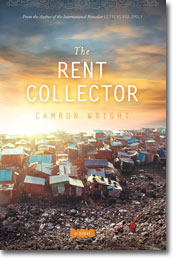
 The Rent Collector was named Book
of the Year Gold Winner by Foreword Magazine, Best Novel of the Year at
the Whitney Awards, and was a nominee for the prestigious International DUBLIN
Literary Award. In addition to North America, The Rent Collector has
also been published in Turkey, Indonesia, Norway, Korea, and Spain.
The Rent Collector was named Book
of the Year Gold Winner by Foreword Magazine, Best Novel of the Year at
the Whitney Awards, and was a nominee for the prestigious International DUBLIN
Literary Award. In addition to North America, The Rent Collector has
also been published in Turkey, Indonesia, Norway, Korea, and Spain.  Plus Exciting News: