- Windows and Mac OS
- 1 user
- Lifetime license
- Without any limits or restrictions
- Full technical support
- Free updates
Buy full version for
Windows and Mac OS !
Do you want to avoid the unpleasant disappointment when your thesis will be evaluated by the university and it will turn out that some of the text was plagiarized? Do not make this mistake, verify your thesis and sleep peacefully, knowing that the text is 100% original.
In conclusion, while technology continues to evolve and permeate every aspect of our lives, it's imperative to maintain a balance between innovation and respect for individual privacy, especially in vulnerable settings like healthcare. The goal is to foster a culture of trust, respect, and safety for all individuals.
The discussion around hidden cameras in medical settings also touches on broader lifestyle and entertainment trends. The prevalence of reality TV shows and online content that sometimes blur the lines between public and private spaces has contributed to a culture where the expectation of privacy is constantly shifting. However, healthcare settings remain a sacrosanct space where patients expect confidentiality and respect.
In recent years, the intersection of technology, privacy, and healthcare has become increasingly scrutinized, especially with the advent of miniature cameras and recording devices. A topic that has gained attention globally is the issue of hidden cameras in medical settings, including gynecological clinics. This concern has sparked debates on privacy, consent, and the implications of such actions on patient-doctor relationships.
Addressing the issue of hidden cameras in healthcare requires a multifaceted approach. This includes stricter regulations on the use of recording devices, enhanced security measures in clinics and hospitals, and a renewed emphasis on the ethical responsibilities of healthcare professionals. Moreover, public awareness campaigns can play a crucial role in educating both patients and healthcare providers about the serious implications of such actions.
Japan, known for its cutting-edge technology and stringent privacy laws, has not been immune to these concerns. Incidents involving hidden cameras in healthcare settings have raised alarms, prompting both legal and ethical discussions. The Japanese healthcare system, renowned for its high standards of care and respect for patient privacy, faces challenges in preventing such violations.
"Exploring the Intersection of Technology and Healthcare: The Case of Hidden Cameras in Medical Settings"

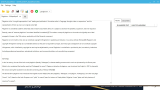
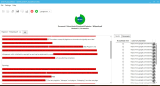
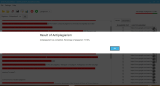
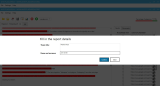
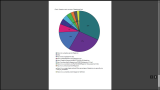
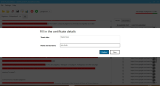
A professional system analyzes text for plagiarism. Sophisticated algorithm automatically compares fragments of your thesis with web search results. After completing the analysis process, the program indicates places in the text which can be treated as plagiarism of someone's text. Each such a fragment is highlighted in red color and the user can display web pages on which the analyzed fragment was published.
Download user manual
You can purchase the program by making payment via Allegro, PayPal or eBay. Other payment methods will also be available in the future. Order processing is automated. After making the payment, the 24/7 machine will send you an e-mail within a few minutes with a link to download the application and a license key.
By using our software you have guaranteed 100% of security - your texts will never leak to the internet. No third party has access to your thesis. Unlike online applications, the program does not upload files to any servers, everything is done locally on your computer. xvideoscom camara oculta en el ginecologo japones link
You can run Antiplagiarism on any computer with Windows or Mac OS system. A simple wizard will guide you by the hand through the process of installing the application. In conclusion, while technology continues to evolve and
We provide a lifetime warranty for our software. If the program does not work properly, you have 14 days to withdraw from the contract. The prevalence of reality TV shows and online
The full version has no limits or restrictions - you get a lifetime license, free updates and full technical support.
Our program supports text files and as one of a few on the market supports PDF format and used in the Microsoft Word - DOCX. Without a doubt, support for PDF and DOCX formats is what makes us stand out from competitors !
Yes, Antiplagiarism needs an internet connection to work because it compares fragments of the thesis with web search results. If the internet connection is interrupted during the text analysis, Antiplagiarism will inform you about it with an appropriate message. Once the internet connection is restored, you will be able to resume the program.
The Antiplagiarism was created as a response to the lack of effective software, which allows to detect plagiarism commited in diploma theses, articles or essays. Our mission is to improve the quality of texts being written and to make life easier for people who create or verify these texts. We believe that protection of intellectual property is crucial for the development of education. We understand the duty of fighting against text plagiarism and we make every effort to improve the process of detecting copyright infringements. We provide a flexible solution that can be used with any type of text, regardless of its characteristics.
The Antiplagiarism is a world-class solution for students, promoters, teachers, companies, publishing houses or editorial offices. We focus on ensuring that the software detects plagiarism with high precision, is safe and user-friendly. Our professional system is used by thousands of users from all over the world and the group of its recipients is constantly growing. You should trust us too !
In conclusion, while technology continues to evolve and permeate every aspect of our lives, it's imperative to maintain a balance between innovation and respect for individual privacy, especially in vulnerable settings like healthcare. The goal is to foster a culture of trust, respect, and safety for all individuals.
The discussion around hidden cameras in medical settings also touches on broader lifestyle and entertainment trends. The prevalence of reality TV shows and online content that sometimes blur the lines between public and private spaces has contributed to a culture where the expectation of privacy is constantly shifting. However, healthcare settings remain a sacrosanct space where patients expect confidentiality and respect.
In recent years, the intersection of technology, privacy, and healthcare has become increasingly scrutinized, especially with the advent of miniature cameras and recording devices. A topic that has gained attention globally is the issue of hidden cameras in medical settings, including gynecological clinics. This concern has sparked debates on privacy, consent, and the implications of such actions on patient-doctor relationships.
Addressing the issue of hidden cameras in healthcare requires a multifaceted approach. This includes stricter regulations on the use of recording devices, enhanced security measures in clinics and hospitals, and a renewed emphasis on the ethical responsibilities of healthcare professionals. Moreover, public awareness campaigns can play a crucial role in educating both patients and healthcare providers about the serious implications of such actions.
Japan, known for its cutting-edge technology and stringent privacy laws, has not been immune to these concerns. Incidents involving hidden cameras in healthcare settings have raised alarms, prompting both legal and ethical discussions. The Japanese healthcare system, renowned for its high standards of care and respect for patient privacy, faces challenges in preventing such violations.
"Exploring the Intersection of Technology and Healthcare: The Case of Hidden Cameras in Medical Settings"
19.90 $
forever