"Redmatch 2 Skins Hot" bursts from the menu like a guilty-pleasure snack you can’t stop tasting. At first glance it’s loud — bright visuals, saturated colors, and a swaggering design that telegraphs confidence. That energy carries through: whether you’re browsing the collection or equipping a loadout, the skins feel intentionally flashy without descending into chaos.
Performance and compatibility are solid: the skins read well at distance and up close, and their animated elements are tastefully restrained so they don’t distract during gameplay. They’re eye-catching without obscuring hitboxes or creating visual clutter in fast-paced moments. redmatch 2 skins hot
Design-wise, the line walks a fun balance between aggressive and stylish. Some pieces are overtly battle-ready — armored plating, angular silhouettes, and menacing motifs — while others skew sleek and fashion-forward, with streamlined trims and minimalist branding. This variety means the set can suit players who want to look ferocious or simply striking. "Redmatch 2 Skins Hot" bursts from the menu
Bottom line: "Redmatch 2 Skins Hot" is a high-energy, visually cohesive collection that rewards players who like bold looks and subtle animation. It’s a confident statement piece for loadouts — ideal if you want to stand out in the heat of battle. Performance and compatibility are solid: the skins read
A few quibbles: the saturation can feel one-note across the entire set — more contrast or a few cooler accent pieces would deepen the lineup. Also, rarer variants lean into gaudier effects that may not match every player’s aesthetic.
Visually, the palette leans heavily on heated reds, sunset oranges, and metallic accents. Textures mix glossy lacquer with brushed metal and subtle fabric weaves, giving each piece dimensionality under in-game lighting. Close-up details reward inspection: etched patterns, glowing trims, and small animated flourishes (sparks, embers, or pulsing sigils) that make the skins feel alive rather than static decals.
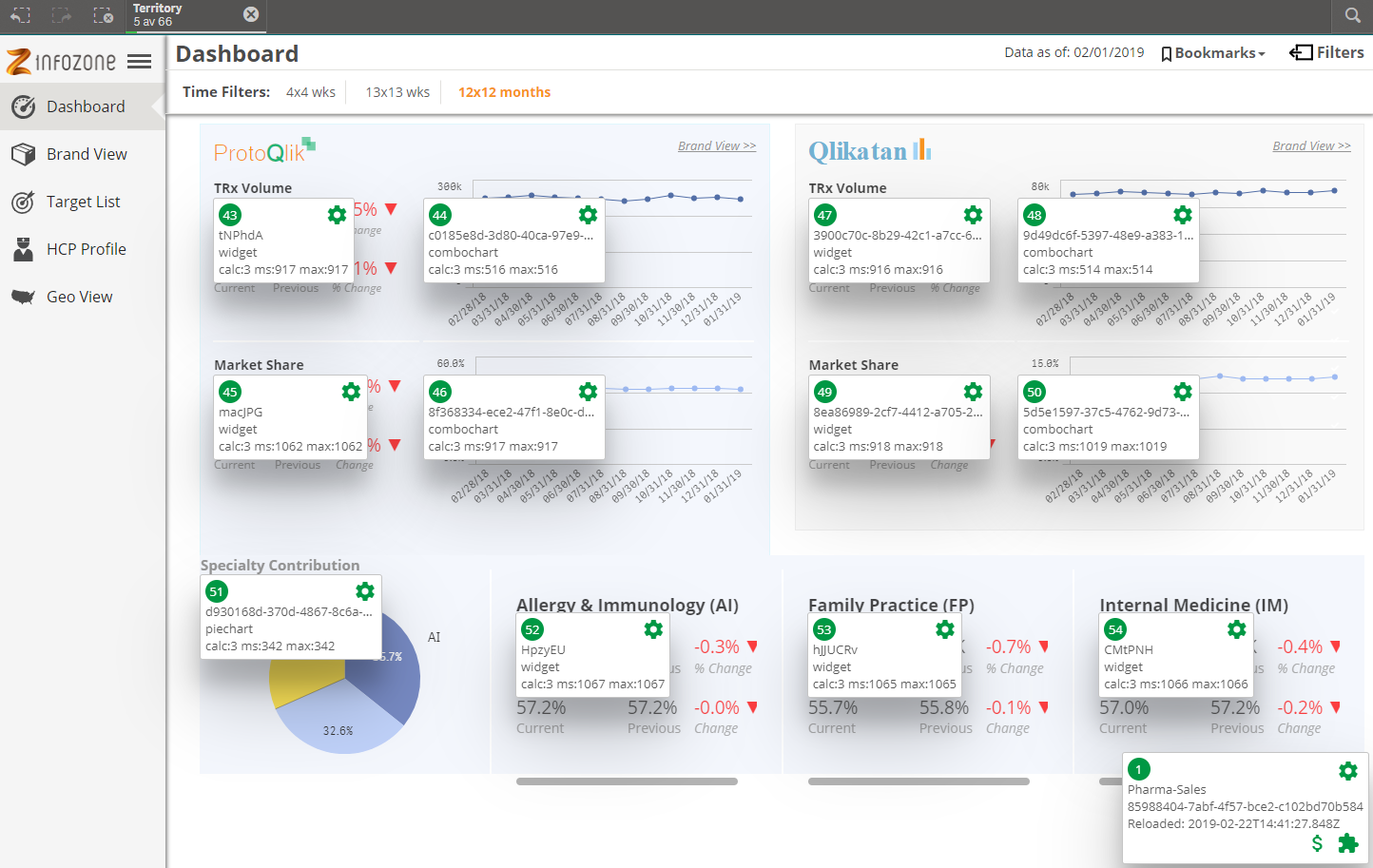
Add Sense for Chrome works in both the build-in Sense client and in mashups using the Capabilities APIs
Charts displayed with the API through getObject and visualization.show will be tagged.
Used app(s) will be displayed in the bottom right corner.
Properties and other buttons will work just as in the client.
If your mashup shows charts from more than one app, all will be listed.
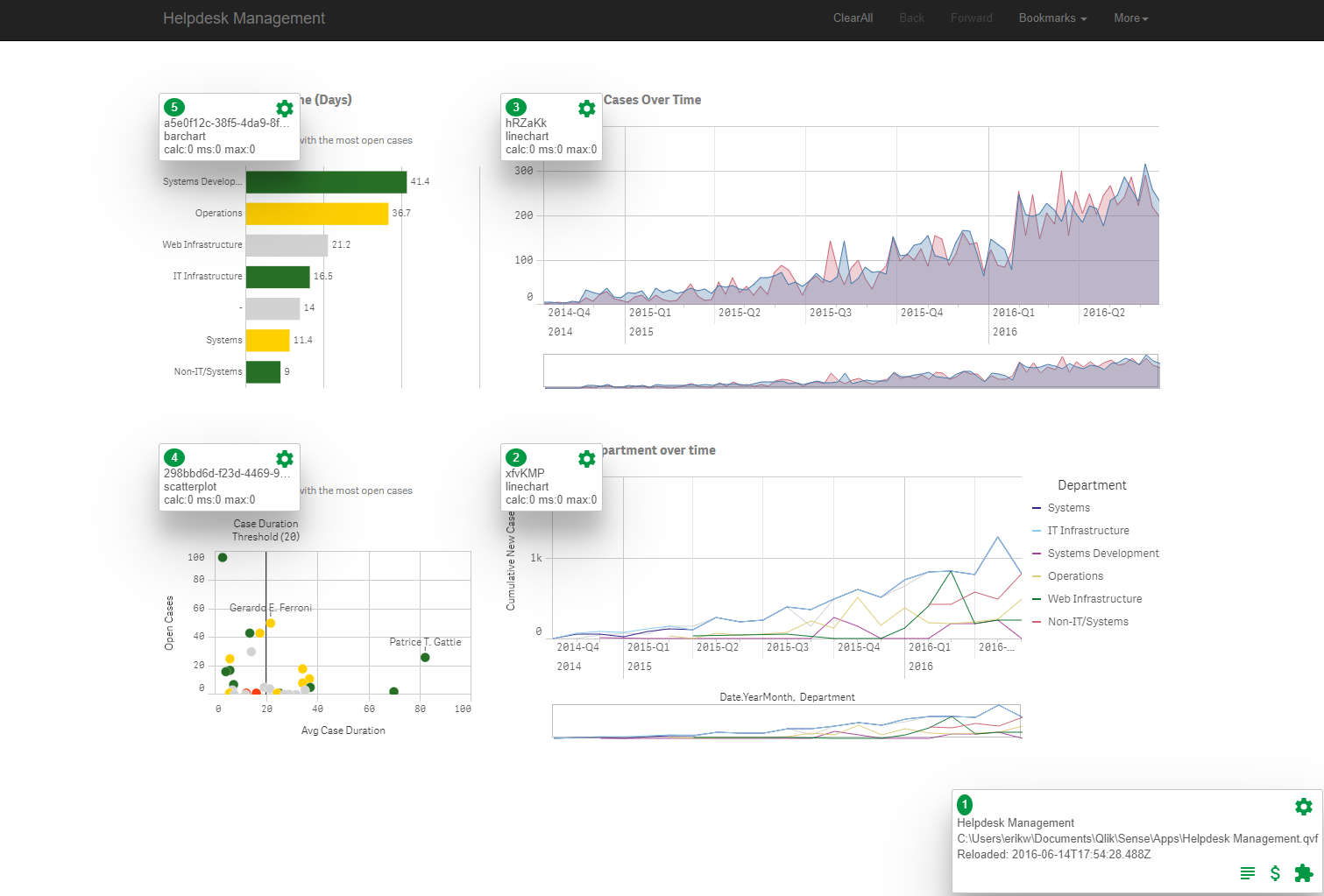
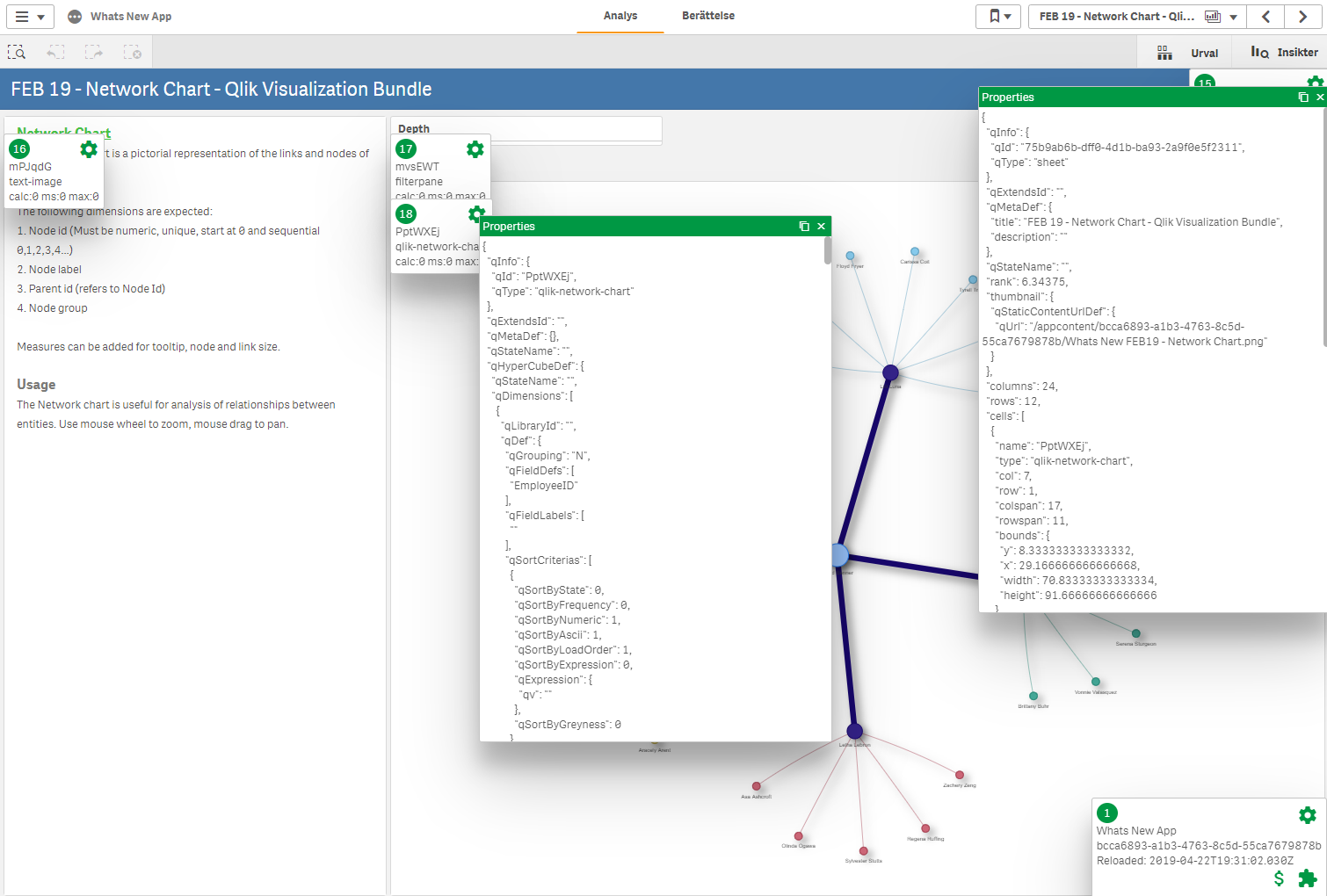
For all charts, sheets and the app you can click on the cogwheel.
That will display the properties for the object.
Use this to troubleshoot or to investigate what settings produce this chart.
You can display several objects properties at the same time, to make comparisons.
Properties can also be copied to clipboard.
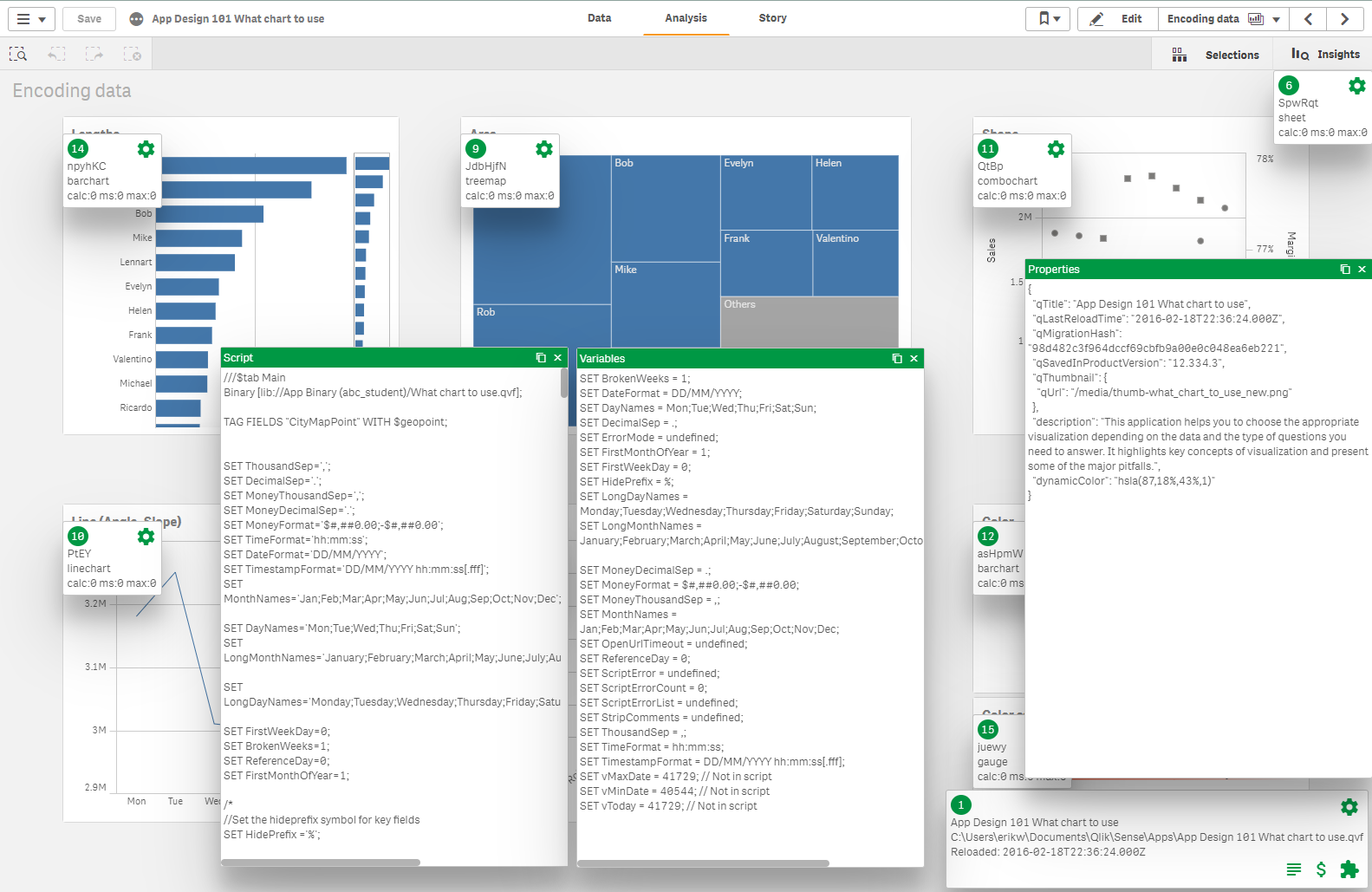
From the app box you can inspect the script, variables and app properties.
Windows can be open at the same time and moved.
You can also copy window contents, complete or partly, to the clipboard.
If you do not have access to the script the script button will not be available.
You can also easily see what extensions and charts are used in your app.
Just click on the extensions button in the app info box.
You will get a list of all axtensions and built-in charts are used in your extension, with title and sheet title
Master objects are also included.
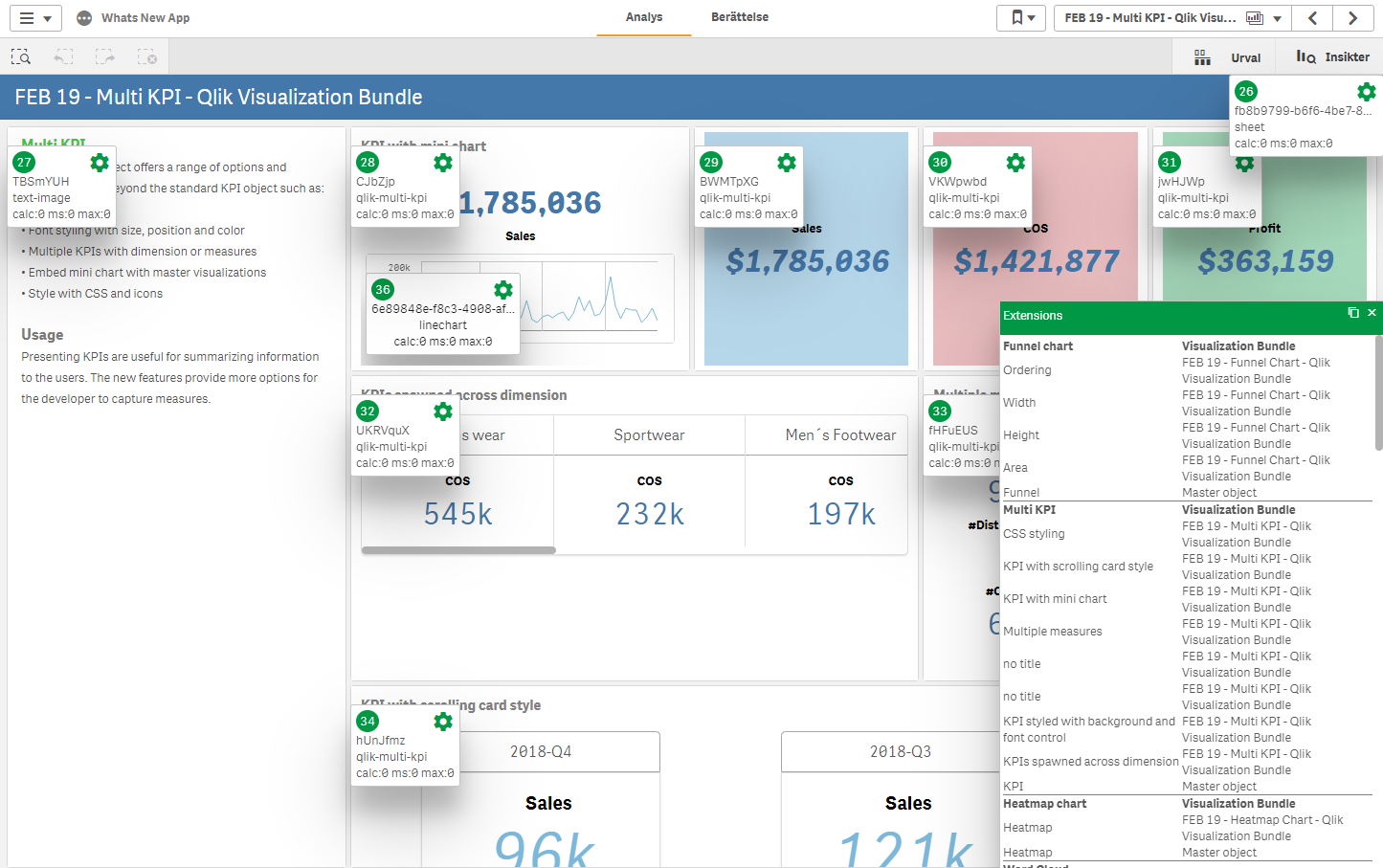
The extension can also help you find performance problems.
When you enable the extension on a page, whether it's the standard client or a mashup, it will start recording recalculation times.
Every time an object is revalidated then extension will register time elapsed for recalculation.
It will also count how many revalidations has occured.
If the object is no longer on the screen, the extension will continue to monitor recalculations, so when you re-enable it you will get all the statistics.