

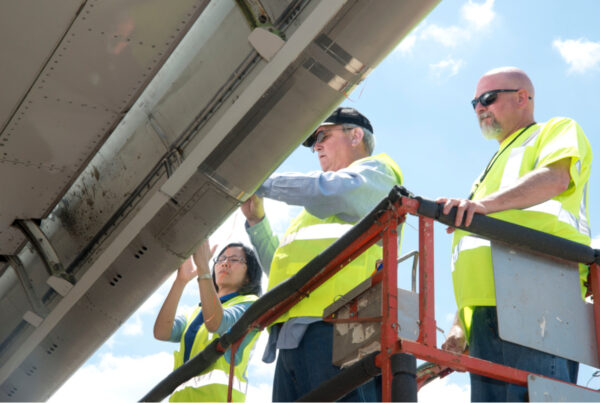
Making a Ramp Check painless (with checklist)

Declan Selleck24 June, 2024
So next time you see “Khatrimaza MKV movies verified,” pause for a second. Behind those words sits a whole ecosystem—ingenious, risky, moral, and messy—unspooling a modern parable about how we want to watch the world.
And the people who click that phrase? They are protagonists in small dramas—students on tight budgets, immigrants chasing a taste of home, cinephiles impatient for a subtitled cut, or simply curious browsers. Each download is a small act that participates in a far larger conversation about fairness, availability, and the future of storytelling. khatrimaza mkv movies verified
Act I: The Lure of the Vault Khatrimaza, for many, is shorthand for abundance: Bollywood blockbusters, Hollywood releases, TV shows, regional cinema, all packaged and timestamped. The MKV format—flexible, compact, capable of holding multiple audio tracks and subtitles—becomes the vessel of choice for a global diaspora yearning to keep stories close. For viewers in places where films arrive late, are paywalled, or simply unaffordable, these files function as a kind of cinematic lifeline. They are pragmatic, and for some, necessary. So next time you see “Khatrimaza MKV movies
Act III: The Moral Weather There’s an ethical fog that never lifts entirely. To call out Khatrimaza is to confront complex motivations. For some, piracy is theft pure and simple; for others, it’s a response to accessibility gaps—regional release windows, high subscription costs, geo-blocks. Artists and lawyers argue for protection of creative labor; communities argue for access. The “verified MKV” becomes a gray artifact that forces us to ask uncomfortable questions: When does access become entitlement? When does convenience eclipse consequence? They are protagonists in small dramas—students on tight

 Get the famous weekly Ops Bulletin for Pilots and Dispatchers ...

In smaller aircraft which are not required (or able) to carry a full TCAS system, the use of ADS-B for strategic (and sometimes tactical) collision avoidance is a serious concern. This seems to be ignored in this report, presumably on the assumption that TCAS validation will prevent there being a problem. Sadly, TCAS validation is not possible in aircraft without TCAS, hence erroneous ADS-B data may be broadcast and presented to pilots in flight, with the attendant risk of a mid-air collision.