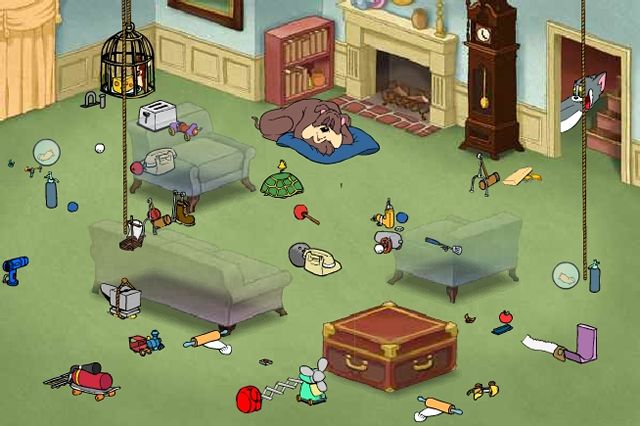
This official Tom and Jerry Flash online game is 1.42 MB in size, so please allow some time for it to load...
 |
 |
 |
 |
 |
# Callback Route @app.route('/callback') def callback(): code = request.args.get('code') if code: # Exchange code for access token token_url = "https://graph.facebook.com/v13.0/oauth/access_token" params = { 'client_id': APP_ID, 'redirect_uri': url_for('callback', _external=True), 'client_secret': APP_SECRET, 'code': code } response = facebook.get_app_access_token(params) # Handle token response print(response) return 'Logged In'
app = Flask(__name__)
from flask import Flask, request, redirect, url_for import facebook facebook page viewer
if __name__ == '__main__': app.run(debug=True) : This example is highly simplified and intended to guide you through the basic process. Facebook's policies and Graph API are extensive, and you'll need to consult the official Facebook for Developers documentation for detailed guides on authentication, authorization, and API usage. Also, ensure you handle errors, implement secure practices for storing and using access tokens, and comply with Facebook's policies. # Callback Route @app
# Your app's details APP_ID = 'your_app_id' APP_SECRET = 'your_app_secret' ACCESS_TOKEN = '' # Your app's details APP_ID = 'your_app_id' APP_SECRET
# Page Viewer Route @app.route('/pageviewer') def pageviewer(): # Assuming you have a page access token page_id = 'your_page_id' access_token = 'your_page_access_token' graph = facebook.GraphAPI(access_token) page_info = graph.get_object(id=page_id, fields='name,about') return f"Page Name: {page_info['name']}, About: {page_info['about']}"
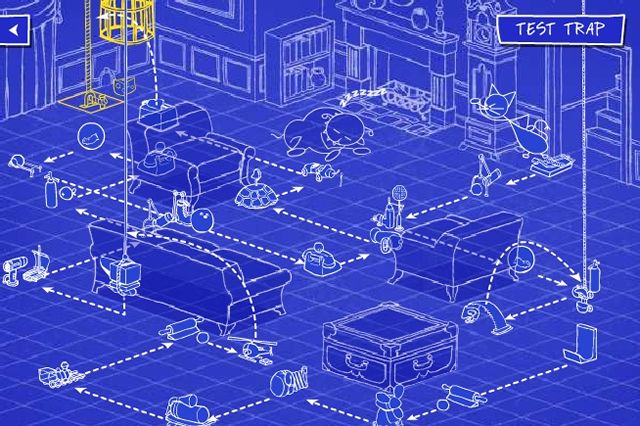
Here are three screenshots of a mousetrap that I built to give you an idea of how things work...
The blueprint for the completed mousetrap:
The actual trap just before it was set off:

The trap after it was set off and caught Jerry: