

Supports all major desktop browsers and mobile devices.
Embraces standard web technologies and provides a powerful Javascript API.
The tool generates a virtual tour from a set of panoramas and allows you to export it as web application that can be deployed as-is or used as a boilerplate for more advanced projects. Requires Firefox or Chrome.
Marzipano Tool
Designed to work with web standards. Control the viewer with a powerful Javascript API and create interfaces using standard HTML and CSS.

Built with WebGL technology supported on all modern desktop and mobile browsers and devices.

Marzipano is optimized to display 360° images of any size with the best performance possible. It is also lightweight: 55KB when gzipped.
Marzipano provides a simple API for the most common use cases, but it is designed to give the user a lot of control over how it works.
The demos showcase some of the possibilities that Marzipano allows and how to implement them. Their source code is available on GitHub.
View all demos

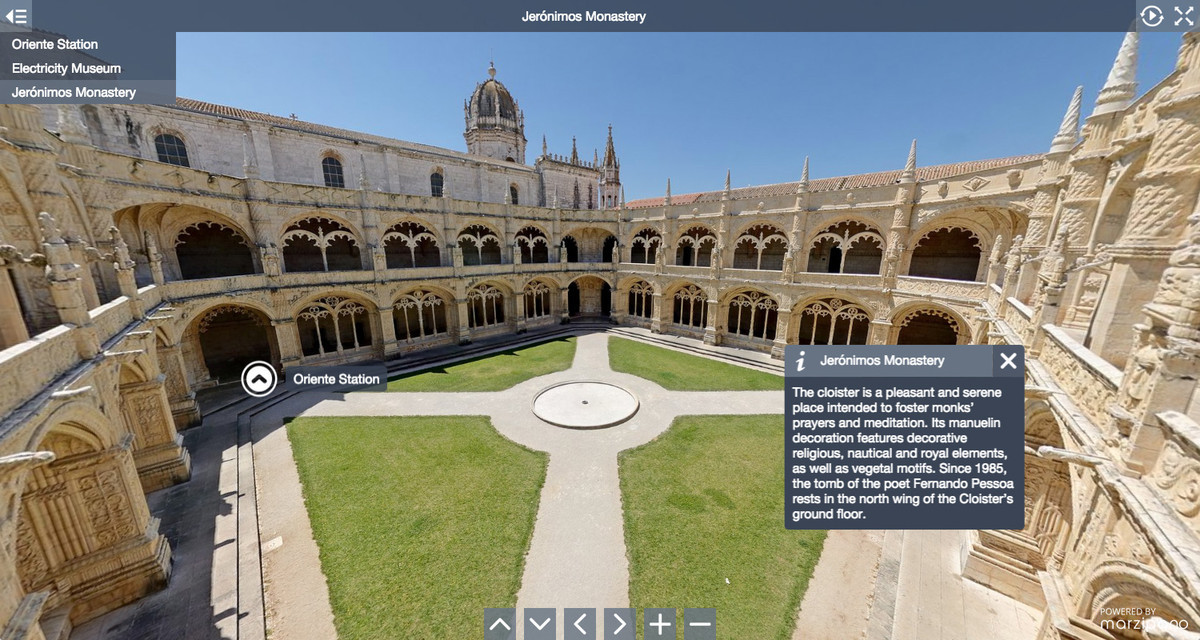
Simple responsive tour generated with the Marzipano Tool. Includes features such as hotspots and autorotate.
Try Demo View SourceFirst came the classroom: pale green walls, a chalk-dusted board, sunlight slanting through blinds like piano keys. Children clustered in small galaxies—hands raised, mouths open with the precise geometry of questions. In the center, Masha, younger, apron tied crookedly, held a paper puppet up to a child's eye. Her voice was present but altered, layered with the soft static of memory. "Count with me," she said, and numbers grew like seeds.
Masha woke to the soft, metallic hum of archived mornings—an old codec coughing pixels into being. The file name blinked on the screen like a relic: Cp_Masha_Babko.wmv. She tapped it, half-expecting silence; instead a tide of images spilled out, not quite footage, not quite dream. Cp Masha Babko Wmv
Cp—the label repeated itself like a secret. Perhaps "Cp" for "compact," compressed life, or "checkpoint," a paused breath in the middle of motion. The file moved in jerks; frames overlapped. A child’s birthday, an argument with a brother named Yuri, the slow ritual of unpacking a suitcase full of postcards from places Masha never kept. Her laughter braided with the crackle of a distant radio, the announcer reciting a poem about small revolutions—of gardens grown between buildings, of stubborn tomatoes in windowboxes. First came the classroom: pale green walls, a
Another skip, and now an apartment kitchen at midnight. Cups clinked, cigarettes were absent but their memory hung in the room like the ghost of smoke. Masha stood over a small canvas, brush poised, fingers stained with cobalt. She painted lines that refused to be tidy: eyes that looked sideways, mouths that argued with color. She hummed a song that no one else remembered but the images remembered for her. Her voice was present but altered, layered with
Towards the end, the footage steadied. Masha sat by a window as rain sketched rivers down the glass. She cradled a mug whose heat steamed her palms. She read aloud from a thin book of recipes and remedies, words that mixed spices and apologies. "Take two tablespoons of courage," she read, smiling into the page. The camera—if it was a camera or her memory held as tightly as a breath—zoomed in on her eyes: quiet, patient, knowing without bragging.
The clip skipped. A winter street appeared—salted sidewalks, breath fogging like miniature storms. Masha walked with an umbrella that refused to open fully, its ribs bent into stubborn angles. She laughed at something off-camera, a sound that bent time and pulled the viewer forward into the moment where a stray dog threaded between her boots and a hesitant hand found its fur. The lens lingered on her knuckles: callused, honest, a map of small labors.
Please post bug reports on the GitHub issue tracker. Use the discussion group for suggestions, questions or comments.
Marzipano is not an official Google product.