Audio Evolution Mobile Studio Old Version Hot ((better)) -

The concept of mobile recording studios dates back to the 1960s, when mobile units were essentially converted trucks or vans equipped with basic recording equipment. These early systems were often cumbersome, with limited track counts and primitive noise reduction capabilities. The first commercial mobile studio, launched in 1965, featured a 16-track recorder, a mixing console, and a few microphones.

The 1990s saw significant improvements in mobile recording technology. The introduction of digital recording systems, such as the ADAT (Alesis Digital Audio Tape) and DAW (Digital Audio Workstation) software, enabled higher track counts, better sound quality, and increased workflow efficiency. Mobile studios began to incorporate laptop computers, digital mixing consoles, and more sophisticated monitoring systems. audio evolution mobile studio old version hot

The mobile audio studio, a self-contained unit designed to record and produce high-quality audio on location, has undergone significant transformations since its inception. This paper explores the development of mobile audio studios, highlighting key milestones, technological advancements, and notable systems from the past. The concept of mobile recording studios dates back

The evolution of mobile audio studios has been shaped by advancements in technology, changing recording practices, and shifting market demands. Older versions of mobile audio studios, while limited by today's standards, still have their place in the history of audio production and can offer distinct advantages. As technology continues to advance, it's essential to appreciate the pioneers of mobile recording and the role they played in shaping the modern mobile audio studio. The 1990s saw significant improvements in mobile recording

The concept of mobile recording studios dates back to the 1960s, when mobile units were essentially converted trucks or vans equipped with basic recording equipment. These early systems were often cumbersome, with limited track counts and primitive noise reduction capabilities. The first commercial mobile studio, launched in 1965, featured a 16-track recorder, a mixing console, and a few microphones.

The 1990s saw significant improvements in mobile recording technology. The introduction of digital recording systems, such as the ADAT (Alesis Digital Audio Tape) and DAW (Digital Audio Workstation) software, enabled higher track counts, better sound quality, and increased workflow efficiency. Mobile studios began to incorporate laptop computers, digital mixing consoles, and more sophisticated monitoring systems.

The mobile audio studio, a self-contained unit designed to record and produce high-quality audio on location, has undergone significant transformations since its inception. This paper explores the development of mobile audio studios, highlighting key milestones, technological advancements, and notable systems from the past.

The evolution of mobile audio studios has been shaped by advancements in technology, changing recording practices, and shifting market demands. Older versions of mobile audio studios, while limited by today's standards, still have their place in the history of audio production and can offer distinct advantages. As technology continues to advance, it's essential to appreciate the pioneers of mobile recording and the role they played in shaping the modern mobile audio studio.

CADe SIMU software elétrotécnico

Por que baixar o CADe SIMU?

Não é necessário nenhum tipo de instalação, você apenas inicia com o arquivo executável, permitindo realizar a inserção de símbolos encontrados em bibliotecas, desenhar um diagrama e posteriormente realizar a simulação deste projeto. Com uma proposta excelente, o CADe SIMU oferece recursos bastante úteis através de uma interface simples e intuitiva e o melhor: sem custos, um software muito leve (algo em torno de 5Mb) capaz de realizar simulação de circuitos de comandos elétricos.

  • Elabore diagramas de comandos elétricos do zero;
  • Realize as simulações e compreenda o funcionamento;
  • Salve, imprima e colecione diversos diagramas elétricos;

O que você esta esperando? Baixe já o CADe SIMU 4.0 em português

Artigos do Blog Ensinando Elétrica

Ensinando Elétrica trata-se de um blog livre, onde trazemos ensinamentos sobre o CADe SIMU e diversos assuntos relacionado a eletricidade, venha conhecer e seja um seguidor para receber conteúdos de elétrica em seu e-mail.

audio evolution mobile studio old version hot

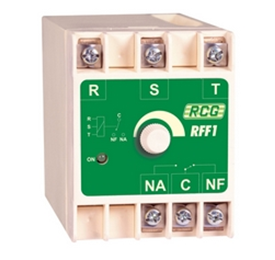
Instalar Relé Falta de Fase

A instalação dos relés falta de fase é muito importânte para a proteção do seu motor elétrico e todo o sistema, confira o artigo.